



The History of Chilliwack, BC
Chilliwack has a history that stretches back thousands of years, long before European settlers arrived in the Fraser Valley. From its deep Indigenous roots and the Fraser River Gold Rush to its early farming communities and eventual growth into a modern city, the area's history has played a major role in shaping the community we see today.
Long Before Settlement: The Stó:lō People
Long before Chilliwack became a municipality, the Fraser Valley was home to the Stó:lō people, whose traditional territory extends throughout the Fraser River watershed.
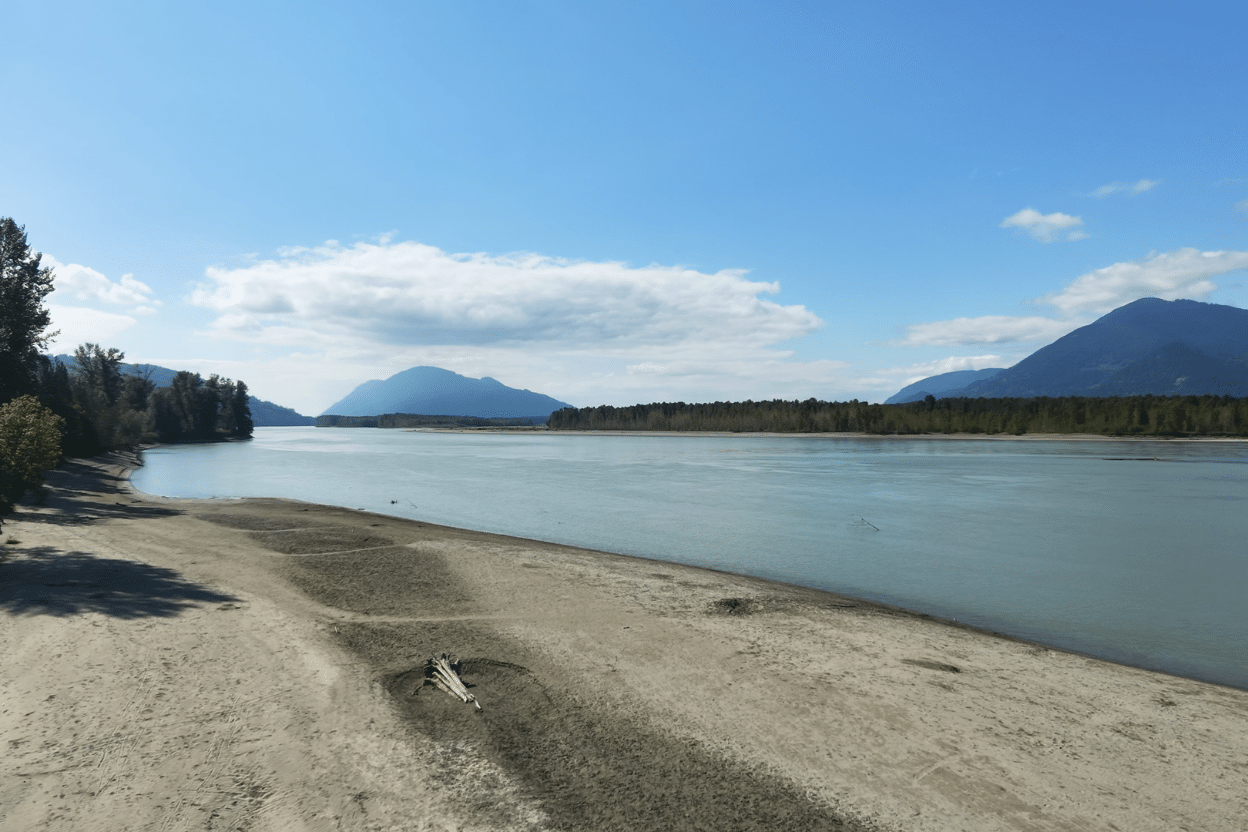
The Stó:lō have lived along the Fraser River and its tributaries for thousands of years. The river provided an important source of food, transportation and trade, with salmon playing a particularly significant role in traditional life and culture.
Fishing sites, village locations and traditional travel routes were established throughout the valley. The surrounding rivers, forests and mountains continue to hold deep cultural and historical importance for local First Nations communities.
The name Chilliwack is generally associated with a Halkomelem word that has been interpreted as referring to a quieter stretch of water or a place where the water slows. Interpretations of Indigenous place names can vary, but the name reflects the area's longstanding connection to its waterways.
The Fraser River Gold Rush of 1858
One of the major turning points in the Fraser Valley's history was the Fraser River Gold Rush of 1858.
News of gold discoveries along the Fraser River brought thousands of miners and prospectors into British Columbia. Many travelled through the Fraser Valley on their way toward the goldfields farther upriver.
Chilliwack's location along the Fraser River made it an important stopping point during this period. River transportation was essential, as roads were limited and much of the movement of people and supplies took place by boat.
The increased traffic helped bring more settlers and commercial activity into the valley, eventually contributing to the establishment of permanent farming communities.
The First Farming Communities
By the 1860s, settlers were establishing farms near several Fraser River landing sites. Early settlements included Chilliwack Landing, Miller's Landing and Sumas Landing.
The region's fertile soil, relatively mild climate and access to water made it well suited to agriculture. Farming gradually became the foundation of the local economy.
Dairy farming, livestock, berry production and vegetable growing became important industries. As the agricultural community expanded, so did the need for schools, businesses, transportation and public services.
Many of the agricultural traditions established during this early period remain part of Chilliwack's identity today.
1873: The Township of Chilliwhack Is Incorporated
In 1873, the Township of Chilliwhack was incorporated. It became the third municipality incorporated in British Columbia, marking an important milestone in the development of the community.
At the time, the area was still largely rural, with farming communities spread throughout the valley. The Township's incorporation helped establish a local government structure as settlement and agricultural activity continued to expand.
The original spelling was Chilliwhack, which differs from the modern spelling used today.
1908: The City of Chilliwack
As the community grew, a more concentrated commercial and residential centre developed around the downtown area.
In 1908, the separate City of Chilliwack was incorporated. This created two neighbouring municipalities: the original rural Township and the newer urban City.
The City became an important commercial centre for the surrounding agricultural communities, providing shops, services, transportation connections and public facilities.
1981: The City and Township Amalgamate
For much of the twentieth century, the Township and City operated as separate municipalities, even though they shared the Chilliwack name and were closely connected economically and socially.
In 1981, the two municipalities amalgamated to form the larger City of Chilliwack that exists today.
This helps explain why modern Chilliwack has several distinct neighbourhood centres rather than one traditional downtown surrounded by a single continuous residential area.
The communities of Sardis, Vedder, Fairfield Island, Rosedale, Greendale and other areas have their own histories and local identities within the larger municipality.
From Agricultural Town to Growing Fraser Valley City
During the latter half of the twentieth century, Chilliwack continued to expand beyond its agricultural roots. Improved highways, transportation connections and population growth brought new residential subdivisions, shopping areas, schools and community facilities.
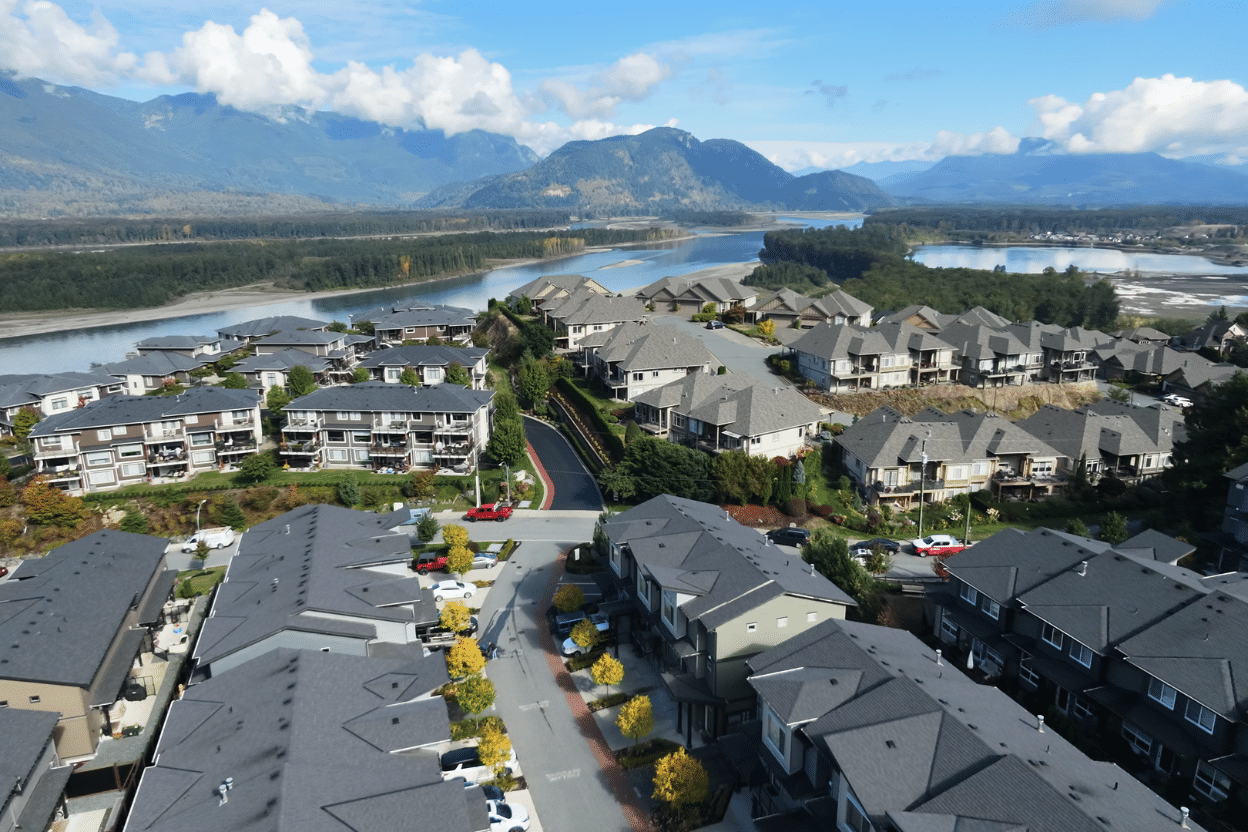
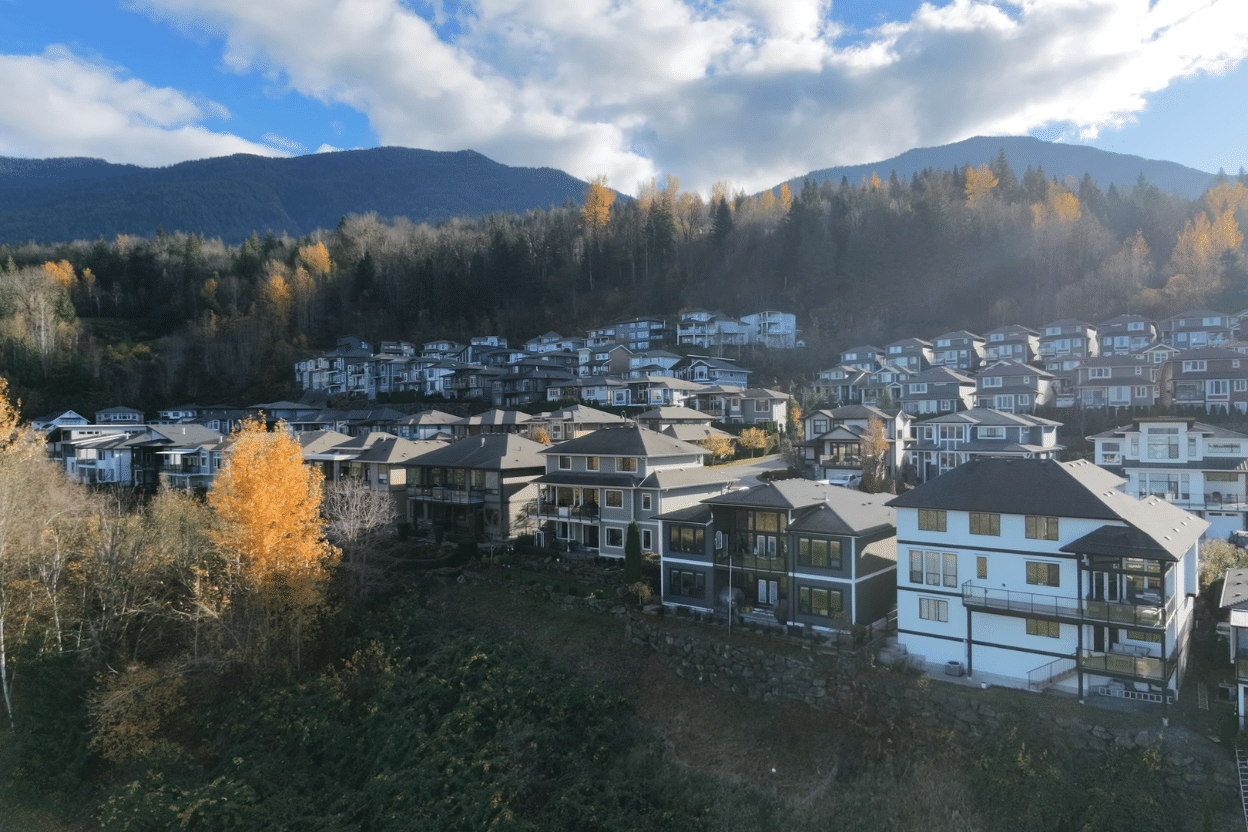
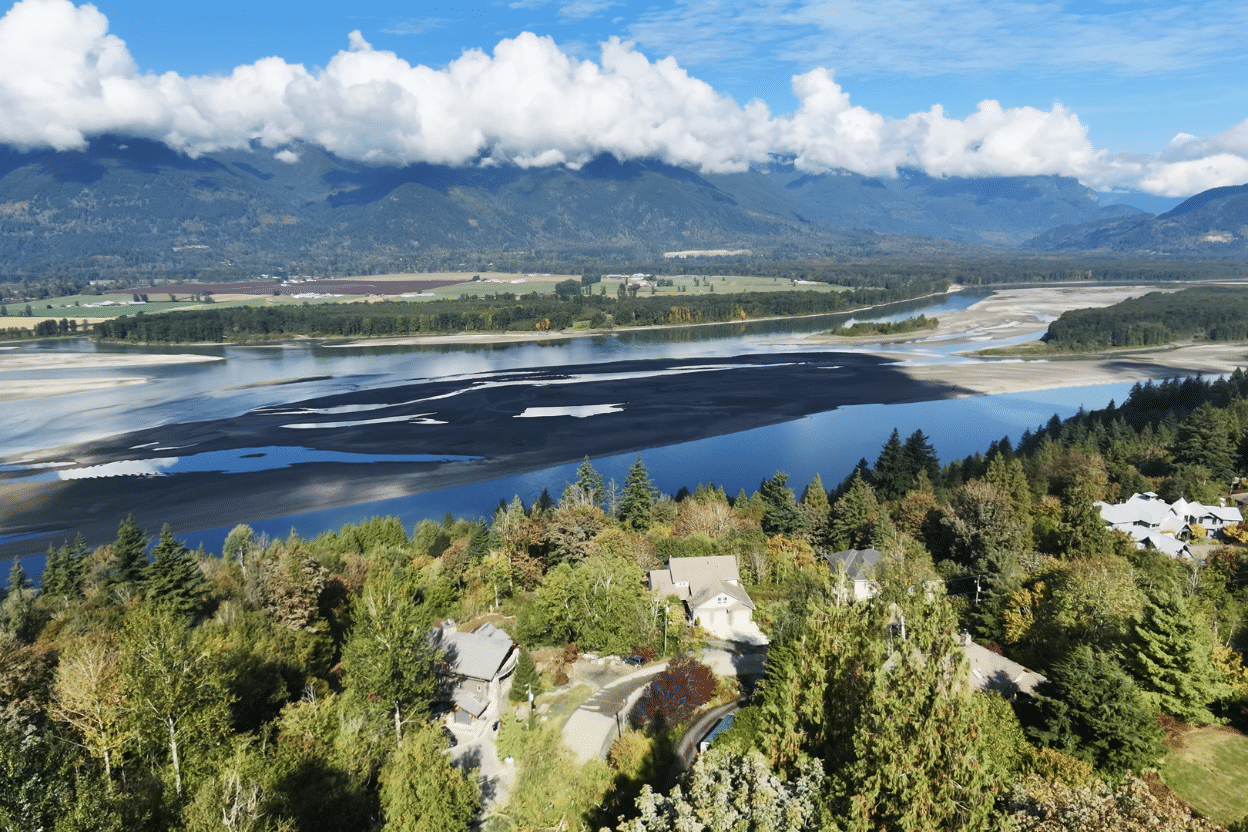
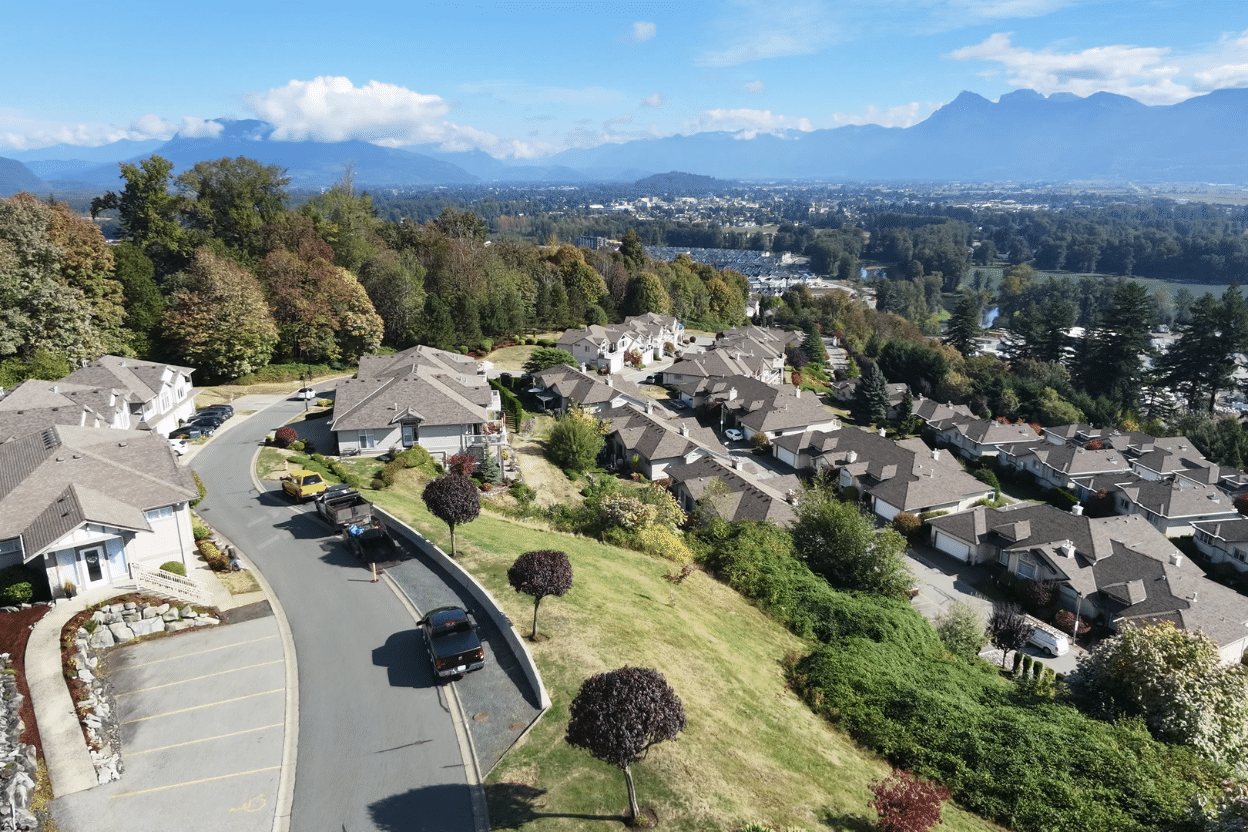
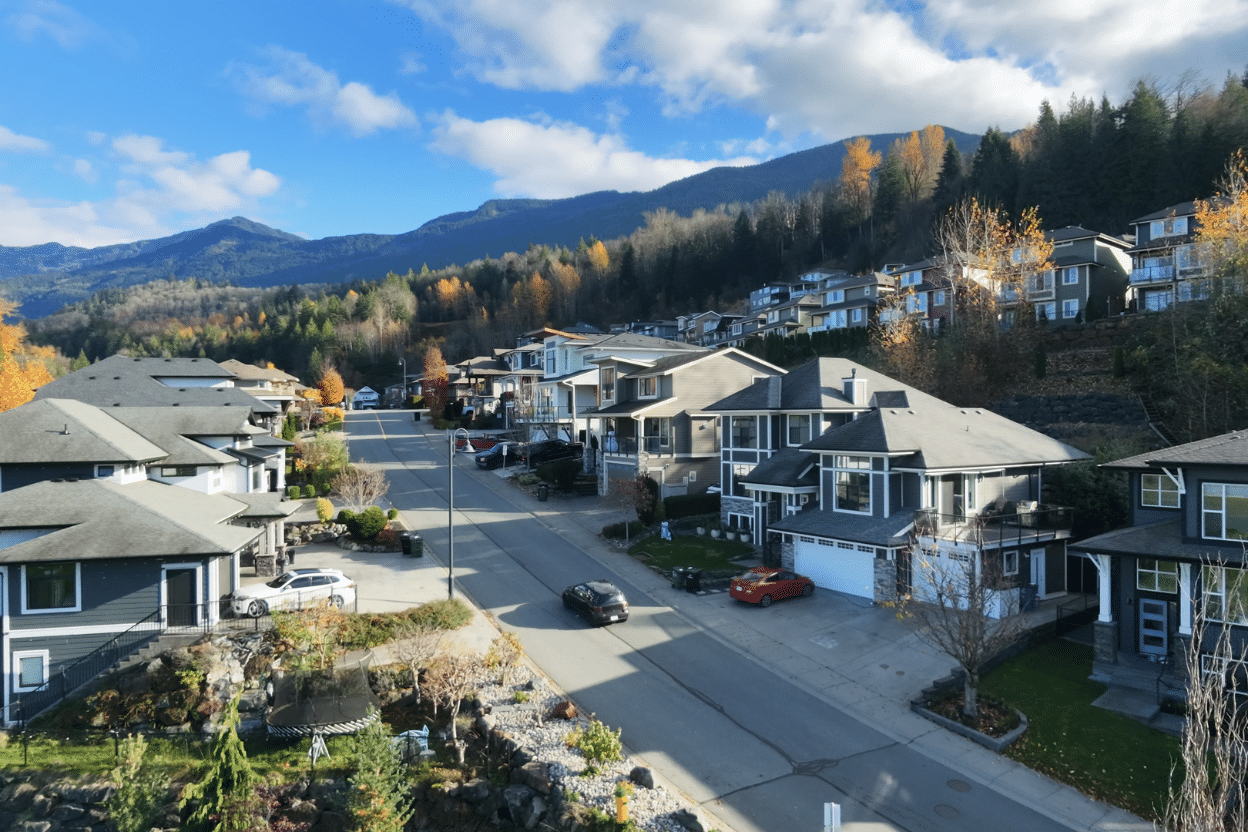
Established farming communities gradually developed alongside newer suburban neighbourhoods. Areas such as Sardis and Vedder became increasingly important residential centres, while newer developments began expanding into hillside areas such as Promontory and Eastern Hillsides.
The former Canadian Forces Base Chilliwack also played an important role in the community's history. Following the closure of the military base, portions of the former lands were redeveloped, including the residential community now known as Garrison Crossing.
Chilliwack Today
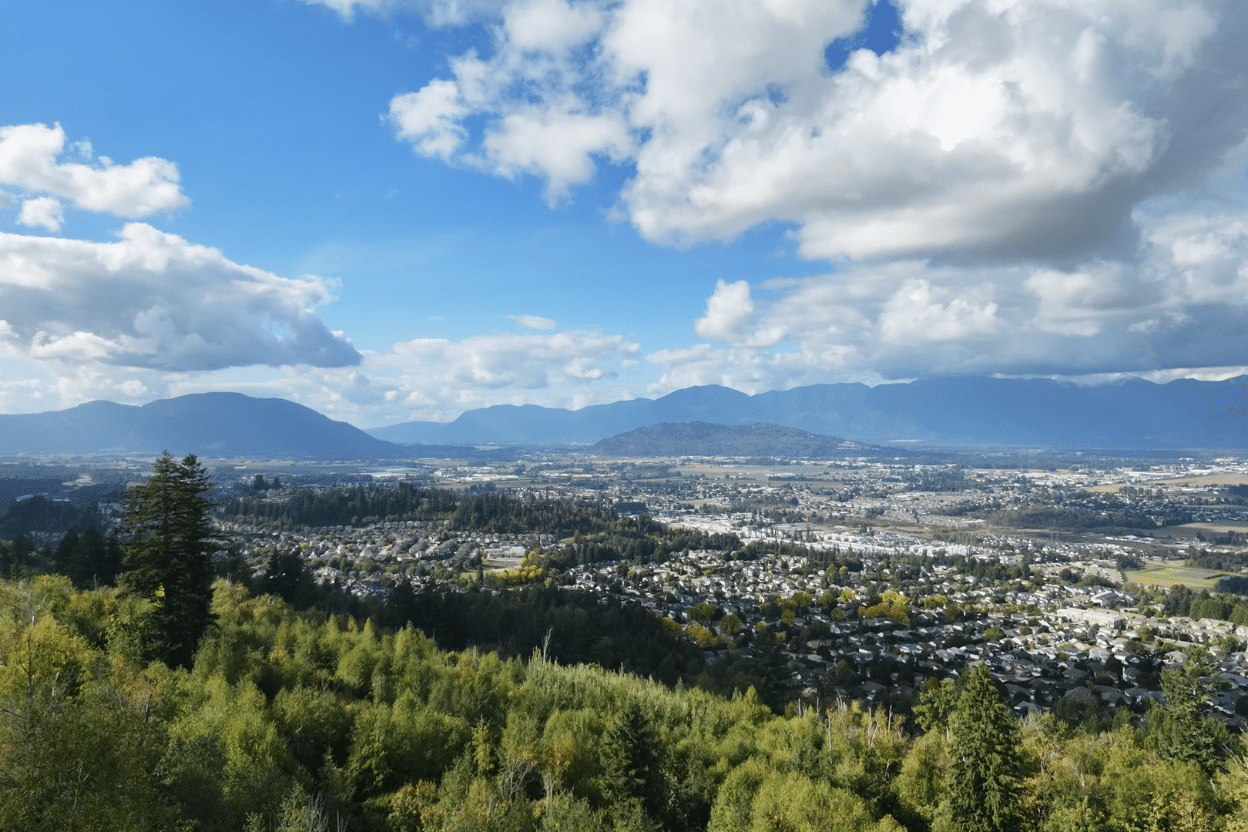
Today, Chilliwack is one of the major urban centres in the eastern Fraser Valley, with a growing population, expanding residential neighbourhoods and a diverse local economy.
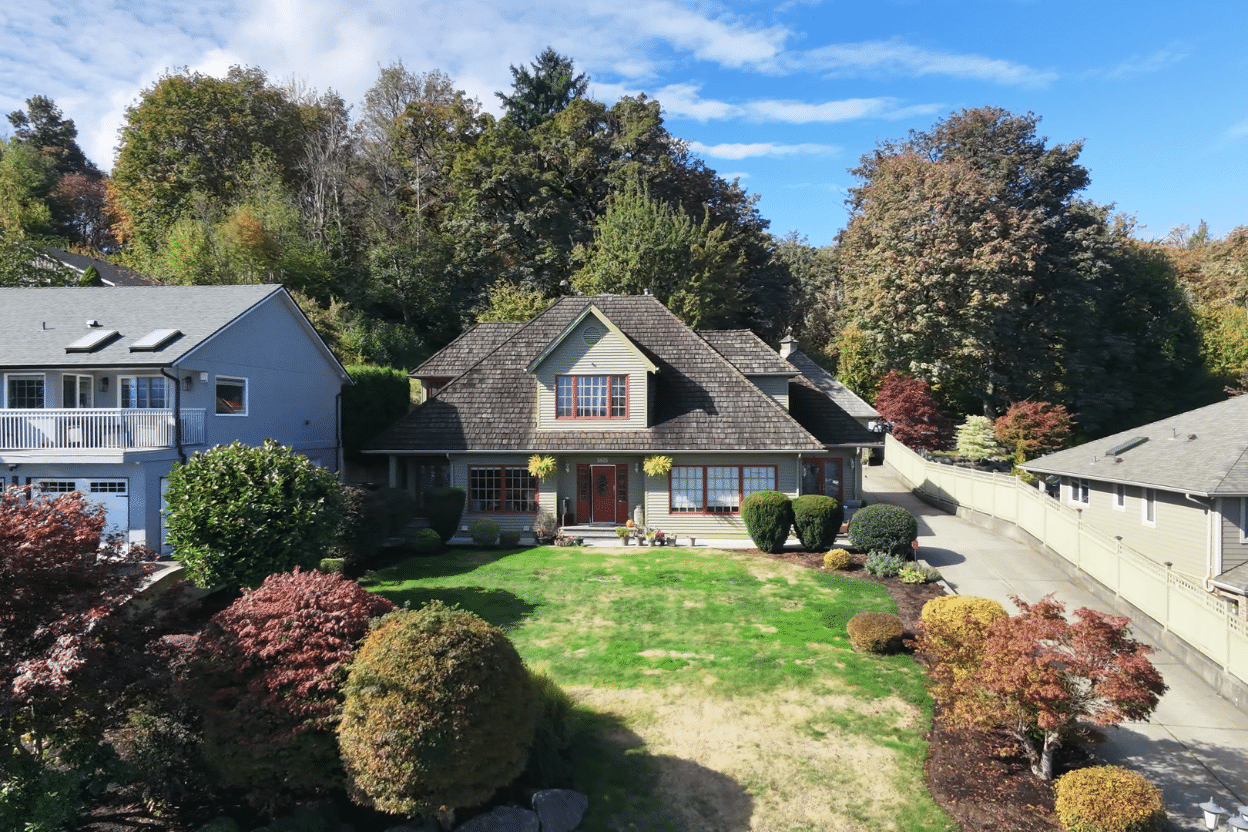
Although the city has changed considerably since its early farming days, agriculture remains an important part of the local landscape. Historic downtown buildings, established residential streets and rural communities continue to reflect the area's past, while newer developments represent its ongoing growth.
For people considering a move to Chilliwack, this history helps explain the variety of neighbourhoods and housing options found throughout the city. It is a community that has grown from a collection of riverfront settlements and farming communities into a city with a distinct identity and a long history in the Fraser Valley.